Is Pocketpair an Indie Studio? Funding and What Devs Said
Is Pocketpair still an indie studio after Palworld's success? What the Palworld developer said about self-funding and creative freedom, why its size makes people doubt the label, and how big the game it built actually is.
Pocketpair still calls itself an indie studio, even after Palworld reached a reported 40 million players this year. This guide covers how the studio defines the label, why some players push back on it, what Pocketpair does besides Palworld, and how much game a self-funded team actually shipped in 1.0.
 Is Pocketpair Indie? Quick Answer
| Question | Where it stands (October 29, 2026) |
|---|---|
| Does Pocketpair call itself indie? | Yes, and both its CEO and its communications lead have said so publicly |
| Who funds Palworld? | Pocketpair itself. The studio says it has no outside investors and is fully self-owned |
| Why the label is debated | The team has grown fast and Palworld has reached a reported 40 million players |
| How the CEO describes its size | Takuro Mizobe has said the studio could be seen as close to double-A scale |
| Pocketpair's own definition | Indie means creative freedom, not a headcount or a revenue figure |
| Does it publish other games? | Yes, through its own publishing arm, including Windrose, Truckful and Clicky Islands |
| Will the label change anything in-game? | No. It is about how the studio sees itself, not about updates or content |
The two rows to focus on are funding and definition. Pocketpair's argument is not that it is small, because it plainly isn't any more. Its argument is that nobody else owns a piece of it or gets a say in what it makes. If you think indie means a tiny team scraping by, Pocketpair doesn't fit. If you think it means answering to no one, it fits better than many award-winning "indie" games that have a large company behind them.
What Pocketpair Said About Being Indie
The studio's head of publishing and communications, John Buckley, laid out the position in a post on X. His point was simple: Palworld and Pocketpair pay for themselves, there is no outside backer, and the team decides what games it makes. He also admitted that the game's success changes how people see the studio, and that plenty of players will point at its size or Palworld's earnings and disagree.
The more interesting part is where he draws the line. Buckley doesn't think a fixed number of employees works as a cut-off, and he doesn't think taking money from a publisher or investor automatically makes a studio less indie either. What matters to him is whether someone else is applying creative pressure or making the calls. By that test, a studio with a publisher can still be independent, and a huge self-owned team like Pocketpair counts too. He finished on a relaxed note: if you'd rather call Pocketpair triple-i or double-A, that's fine, because what matters is that it keeps making fun games.
| Common test for "indie" | Does Pocketpair pass? | Why |
|---|---|---|
| No outside money | Yes | Fully self-funded and self-owned, by the studio's own account |
| Full creative control | Yes | No investor or publisher signs off on its decisions |
| Small team | No | The team grew quickly after Palworld took off |
| Small budget or revenue | No | Palworld has reached a reported 40 million players |
| Doesn't publish other studios | No | It now runs its own publishing label |
So it depends on which test you use. On ownership and control, Pocketpair passes cleanly. On size and money, it doesn't, and the studio openly accepts that. That split is exactly why the argument keeps coming up online.
Why People Question the Label
Indie has become a fuzzy word. Some studios with the label are owned by much bigger companies, and some have publishers paying the bills, so there is no single rule everyone agrees on. Pocketpair lands in the middle of that debate from the opposite direction: nobody owns it, but it is no longer a scrappy little team. CEO Takuro Mizobe has called it a true indie company that wants to keep making games the indie way, while also conceding its scale is getting close to double-A territory.
There is also the publishing side. Pocketpair now helps other small developers release their games, with Windrose, Truckful and Clicky Islands among the titles it supports. A studio that publishes other indies is a long way from the usual picture of one, which adds fuel to the "you're not indie any more" camp even though it doesn't change who owns Pocketpair.
 How Big Is the Game Pocketpair Built?
Part of why the indie label raises eyebrows is the sheer size of Palworld 1.0, which left early access on July 10, 2026. The numbers below are counts from the current game, and they explain why people compare Pocketpair to bigger studios. The Pal roster and the breeding web are the headline figures: 288 Pals and 41,616 breeding combinations is a lot of content for any team to balance, let alone one with no backer.
| What's in Palworld 1.0 | Count | Where to dig in |
|---|---|---|
| Pals | 288 | Palworld Paldeck: every Pal |
| Elements | 9 | Dark is the biggest group with 70 Pals |
| Breeding combinations | 41,616 | Palworld breeding calculator |
| Technologies | 588 | Palworld technology tree |
| Buildable structures | 485 | All Palworld structures |
| Weapons | 145 | All Palworld weapons |
| Armor pieces | 128 | All Palworld armor |
| Alpha Pals | 90 | Alpha Pal locations |
| Tower bosses | 10 | Palworld tower bosses |
| Raid bosses | 5 | Palworld raid bosses |
| Map pins | 40,924 | Interactive Palpagos map |
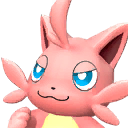
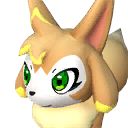
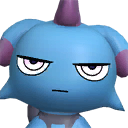
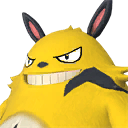
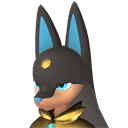
The map row is the one that shows the scale best. More than 40,900 pinned points, from ore nodes to chests to Alpha spawns, all sit on one island chain. If you're new and that looks overwhelming, start small: the how to catch Pals guide gets your first team together, and the Palworld 1.0 update guide covers what changed from early access. These are the Pals most people picture when they think of Palworld:
Where You Can Play Palworld
Because Pocketpair is self-published, it handles every platform release itself. Palworld is out on Palworld on Steam, Xbox Series X|S, PC Game Pass, PlayStation 5 and Mac, all sharing crossplay. There is still no Nintendo version, and the reasons are covered in Is Palworld on Switch 2. If you're jumping in with friends, the Palworld multiplayer guide explains co-op, crossplay and dedicated servers.
The Short Answer
Yes, Pocketpair considers itself indie, because it is fully self-funded, has no outside investors and keeps total creative control over Palworld. It is not small any more, and it now publishes other studios' games, so plenty of players disagree. Pocketpair's own take is that it is just a label, and you're free to call it double-A if you like.
Related Guides
Hubs
- All Palworld guides
- Palworld Paldeck: every Pal
- Interactive Palpagos map News and updates
- Is Palworld on Switch 2
- Palworld roadmap after 1.0
- Palworld 1.1 update: what's confirmed
- Palworld Side by Side update release date
- Palworld vs Pokemon vs Aniimo
- Palworld patch notes and version history Getting started
- How many Pals are in Palworld
- Palworld multiplayer guide: co-op, crossplay, and servers
- Returning to Palworld: mistakes to avoid