How Breeding Works: Combi Ranks, Unique Combos, and Inheritance
The actual rules behind Palworld breeding — how the hidden combi rank system picks the child, all the verified example pairings, the 257 unique combos that override it, and which cakes steer inheritance.
Breeding looks like chaos until you know the one rule running underneath it — after that, every pairing becomes predictable, and the breeding calculator stops feeling like magic. Here's how the child species is actually chosen, when the rules get overridden, and how to steer what the offspring inherits.
 The Core Rule: Averaging Breeding Ranks
Every species carries a hidden breeding rank. Pair two Pals and the game averages their ranks, then hands you the species whose own rank sits closest to that average. The counterintuitive part: lower rank means rarer — common Pals like Lamball sit around 3,050 while Frostallion sits at 150 — so pairing two strong parents pulls the average down toward stronger offspring. Worked example: Lamball (3,050) × Cattiva (2,760) averages to about 2,905, and the nearest species to that number is Tanzee.
 Verified Example Pairings
A few pairings that show the range of the system — from mixing two commons to the mid-tier results you get crossing a powerhouse with a starter. Every row below comes straight out of the same math the calculator runs:
| Parent A | Parent B | Child |
|---|---|---|
| Lamball |  Cattiva Cattiva |  Tanzee Tanzee |
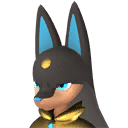
| Anubis | Lamball | 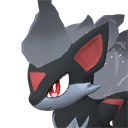 Smokie Smokie |
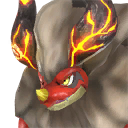 Blazamut Blazamut |  Lyleen Lyleen |  Eidrolon Eidrolon |
 Mammorest Mammorest |  Pengullet Pengullet |  Sweepa Sweepa |
 Frostallion Frostallion | 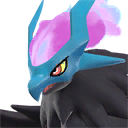 Helzephyr Helzephyr | 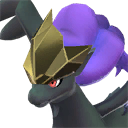 Frostallion Noct Frostallion Noct |
That last row isn't rank math at all — it's one of the special recipes covered next. When you want to reverse-engineer a specific child, the calculator's reverse mode lists every parent pair that produces it.
257 Unique Combos Override Everything
Before the rank math runs, the game checks a list of 257 fixed recipes — if your pair is on it, you get that child no matter what the averages say. Most subspecies come from these (element-variant parents producing element-variant children), and a few are famous one-offs like Frostallion × Helzephyr → Frostallion Noct. Same-species pairs are also always exact: two Lamballs make a Lamball, and two of any legendary make another one — the production line trick from the legendary guide.
 The 55 Species You Can't Roll Into
55 species are excluded from the generic result pool entirely — no amount of rank math ever produces them. That covers all six legendaries plus most subspecies and event Pals: they only come from catching them or from their specific unique recipe. So if the calculator says a pairing gives you something ordinary, there's no secret roll for something better hiding behind it — the pool the game picks from is exactly 261 species wide.
Steering What the Child Inherits
The species is deterministic — the inheritance is where the dice live, and cakes are your loaded dice:
- Special Cake makes offspring more likely to inherit multiple passive skills from the parents — the endgame tool for stacking a perfect four
- Mushroom Cake helps the child's talents grow more easily
- Extravagant Vegetable Cake raises the odds of mutations and easier talent growth
- Plain Vegetable Cake simply doubles egg output per session The cake guide has recipes and tech levels for all of them. And when a breeding line stalls because both keepers rolled the same gender, the Pal Reverser from the Bounty Officer flips one and keeps the line moving.